
Toilet repair · Diamond Bar, CA
Toilet Repair in Diamond Bar, CA: Fix the Part or Replace the Toilet?
A toilet that runs, clogs or rocks has one of a few common problems, and most cost less to fix than to replace. This page sorts the symptoms, shows what to check first and explains when replacing the toilet is the better call.
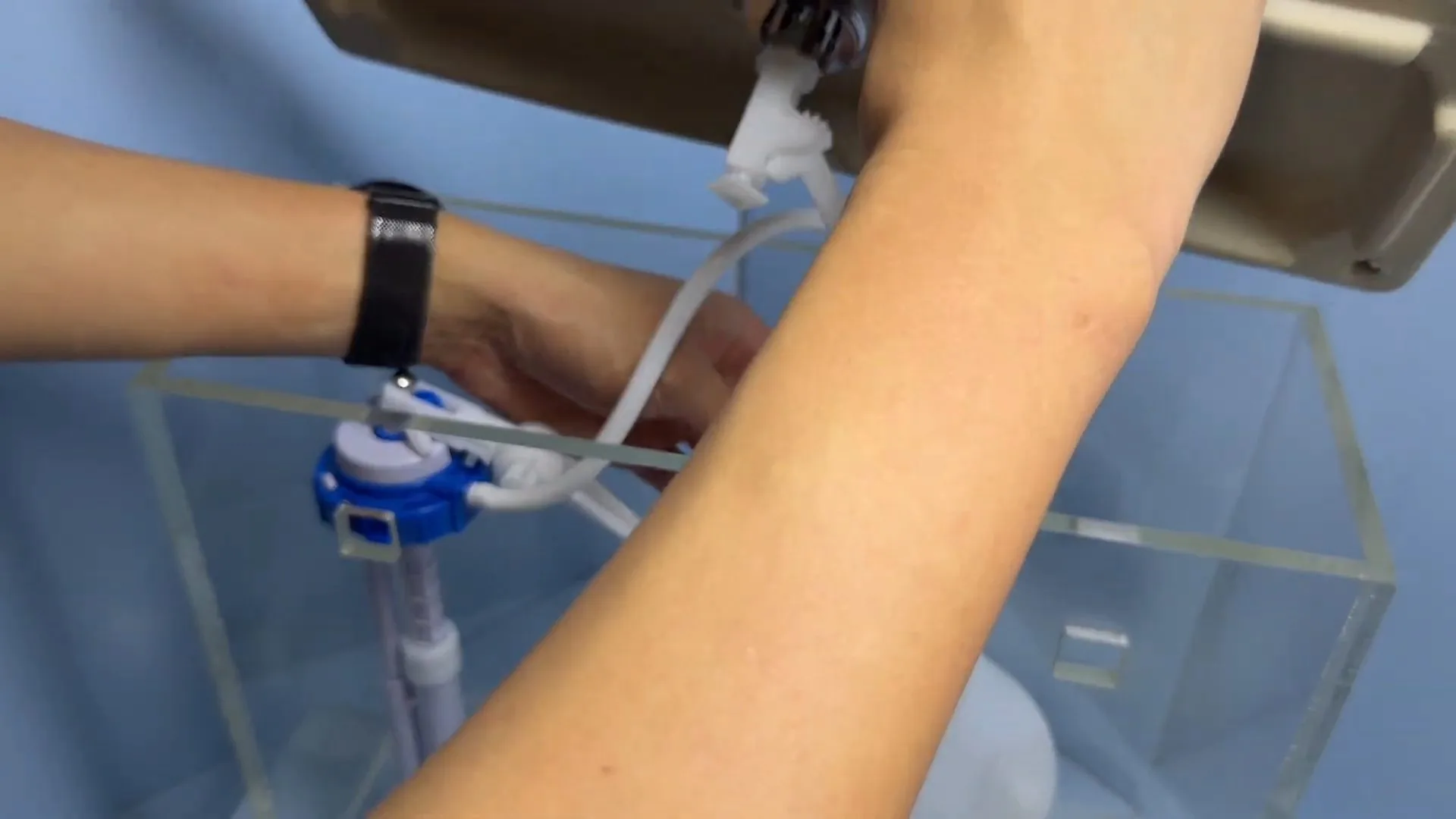
The toilet keeps running
A toilet that refills on its own, hisses or runs between flushes is leaking from the tank into the bowl. The usual causes are a worn flapper that no longer seals, a fill valve that does not shut off, or a float set too high. All three are small parts inside the tank.
A silent version of this problem wastes water without any sound. Put a few drops of food coloring in the tank, wait without flushing, and check whether color shows in the bowl. If it does, the flapper is leaking.
A running toilet can also move the water meter, which is why it is worth checking before paying for tracing hidden leaks.
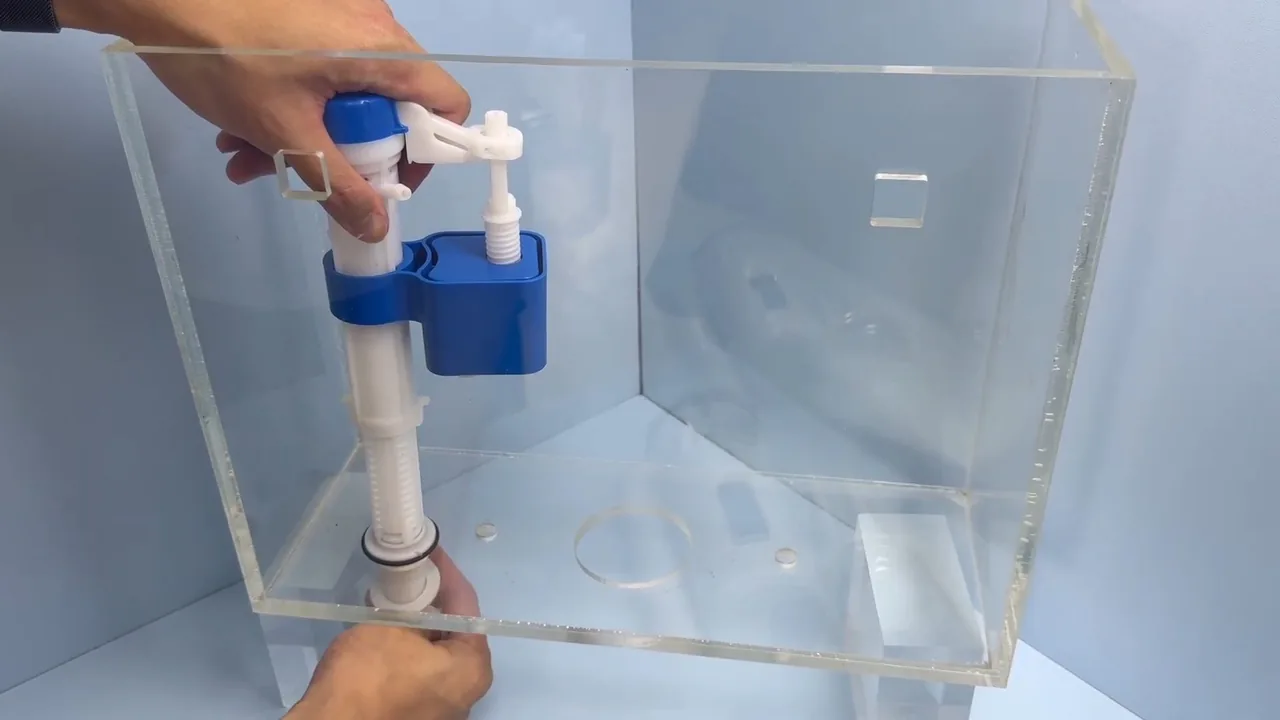
It clogs or will not flush
A single clog that clears with a plunger is a household nuisance. A toilet that clogs repeatedly, or one where several fixtures slow together, points beyond the bowl. If a tub or sink gurgles when you flush, the blockage may be in the branch or the main line.
- Use a flange plunger and a firm, steady stroke before anything else.
- Do not flush repeatedly while it is backed up, since the bowl can overflow.
- If other drains are slow too, stop and see clearing a blocked main drain.
- Avoid chemical openers, which can damage the bowl and splash back on whoever works on it next.
If the same toilet clogs often, ask the plumber whether the cause is the drain, a poor flush, or an object lodged in the trap.
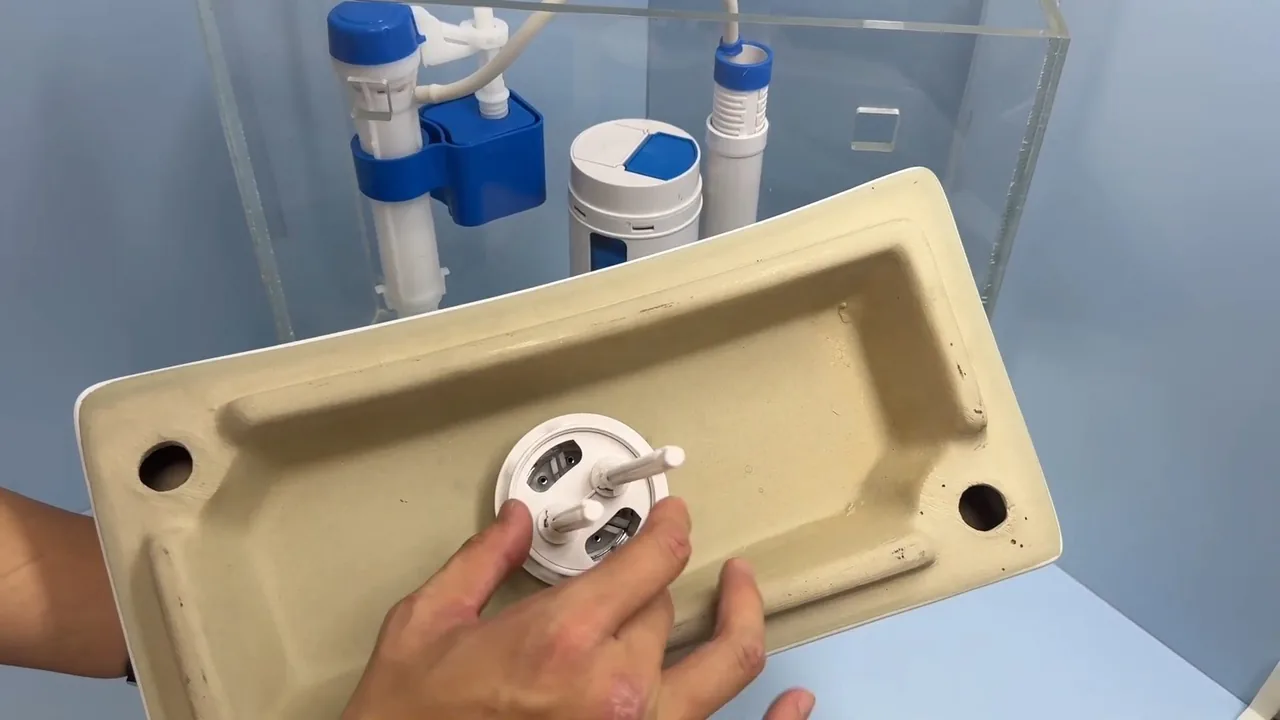
Toilet running, clogged or leaking at the base? Call and tell us which.
Call (833) 571-0120Leaks at the base, and a rocking bowl
Water around the base of a toilet usually comes from a failed wax ring or loose bolts, or from a leak at the supply connection. A toilet that rocks is a warning, since the seal under it has probably failed. Do not keep using a toilet that leaks at the base, because water can reach the subfloor.
The fix is to lift the toilet, replace the seal, check the flange and reset it. If the floor around it is soft, the plumber should say so before resetting the toilet. A soft floor is a separate repair.
If water has already soaked flooring, drying a wet bathroom floor is the next question.
Repair or replace?
A repair is the right answer when one part has failed and the porcelain is sound. Replacement makes sense when the bowl or tank is cracked, when the toilet clogs because of its design, or when repairs keep piling up. A new toilet is also a low-flow fixture: California's appliance standard caps new toilets at 1.28 gallons per flush, so a swap often brings the water bill down, and it is worth asking the plumber which model is quoted.
| Situation | Usual answer |
|---|---|
| Flapper, fill valve or float problem | Replace the part |
| Wax ring or loose bolts | Reset the toilet with a new seal |
| Cracked bowl or tank | Replace the toilet |
| Weak flush that returns after repair | Ask whether the toilet or the drain is the cause |
If you are replacing the toilet
California limits toilets sold in the state to 1.28 gallons per flush, so a new model will use less water than an older one. We confirmed this from a news report, not a code book, so check the label on any model you buy.
Dual-flush toilets offer a smaller flush for liquids and a full flush for solids. Ask the plumber which models they install and what the warranty covers. Moving a toilet to a new spot is a larger job than swapping one in place, because the drain and vent change.
The City of Diamond Bar says plumbing permits are required for all plumbing work, including related fixtures. A simple swap may not need one, but moving a toilet is more likely to. Ask the plumber, or call Building and Safety at (909) 839-7020.
What to tell the plumber
- What the toilet does: runs, clogs, rocks, leaks, or does not flush well.
- Whether other fixtures are slow or gurgling.
- Whether water has reached the floor or the ceiling below.
- The age of the toilet, if you know it, and whether it is a one-piece or two-piece model.
A short description lets the plumber bring the right parts. Photos of the tank and the base help even more.
When a running toilet is a sign of something else
A toilet that runs after flushing usually has a worn flapper or a fill valve that needs adjusting. A toilet that runs and also loses water from the tank to the bowl with dye in the tank is leaking past the flapper.
- Drop a few drops of food coloring in the tank and wait without flushing.
- If color reaches the bowl, the flapper is not sealing.
- If the floor around the base is damp, the wax ring or the supply line is suspect.
The dye test is safe and tells you which part to ask about. It cannot tell you about a leak inside the wall, so stains below a bathroom still deserve a look.
Toilet trouble: questions homeowners ask
Why does my toilet keep running?
The usual causes are a worn flapper that no longer seals, a fill valve that does not shut off, or a float set too high. To test for a silent leak, add a few drops of food coloring to the tank, wait without flushing, and see whether color reaches the bowl.
When should I replace a toilet instead of repairing it?
Replace it when the bowl or tank is cracked, when it clogs because of its design, or when repairs keep stacking up. A failed flapper, fill valve or wax ring is a repair. Ask the plumber for the reason behind a recommendation to replace.
What is the flush limit for a new toilet in California?
A news report says toilets sold in California cannot use more than 1.28 gallons per flush. We did not confirm it against the code book, so check the label on any model you buy. Dual-flush models offer a smaller flush for liquids and a full flush for solids.
Other fixture and drain pages
Faucet and Sink Repair
Drips, low pressure and leaks under the sink.
Drain Cleaning
Clearing a line that more than one fixture shares.
Leak Detection
Tracing water you cannot see.
A toilet that will not behave
Tell us what it is doing. A plumber will explain whether it points to a small part, a seal or a drain problem.