
Slab leak repair · Diamond Bar, CA
Slab Leak Detection in Diamond Bar, CA: Do You Have a Slab, and Is It Leaking?
A slab leak is a supply line leaking under a concrete floor, so the first question is whether your house has one. If it does, the signs are a water meter that moves when everything is off, warm spots on the floor or a hissing sound. This page covers how to confirm it, how slab leak detection in Diamond Bar works, and which repair options to ask about.
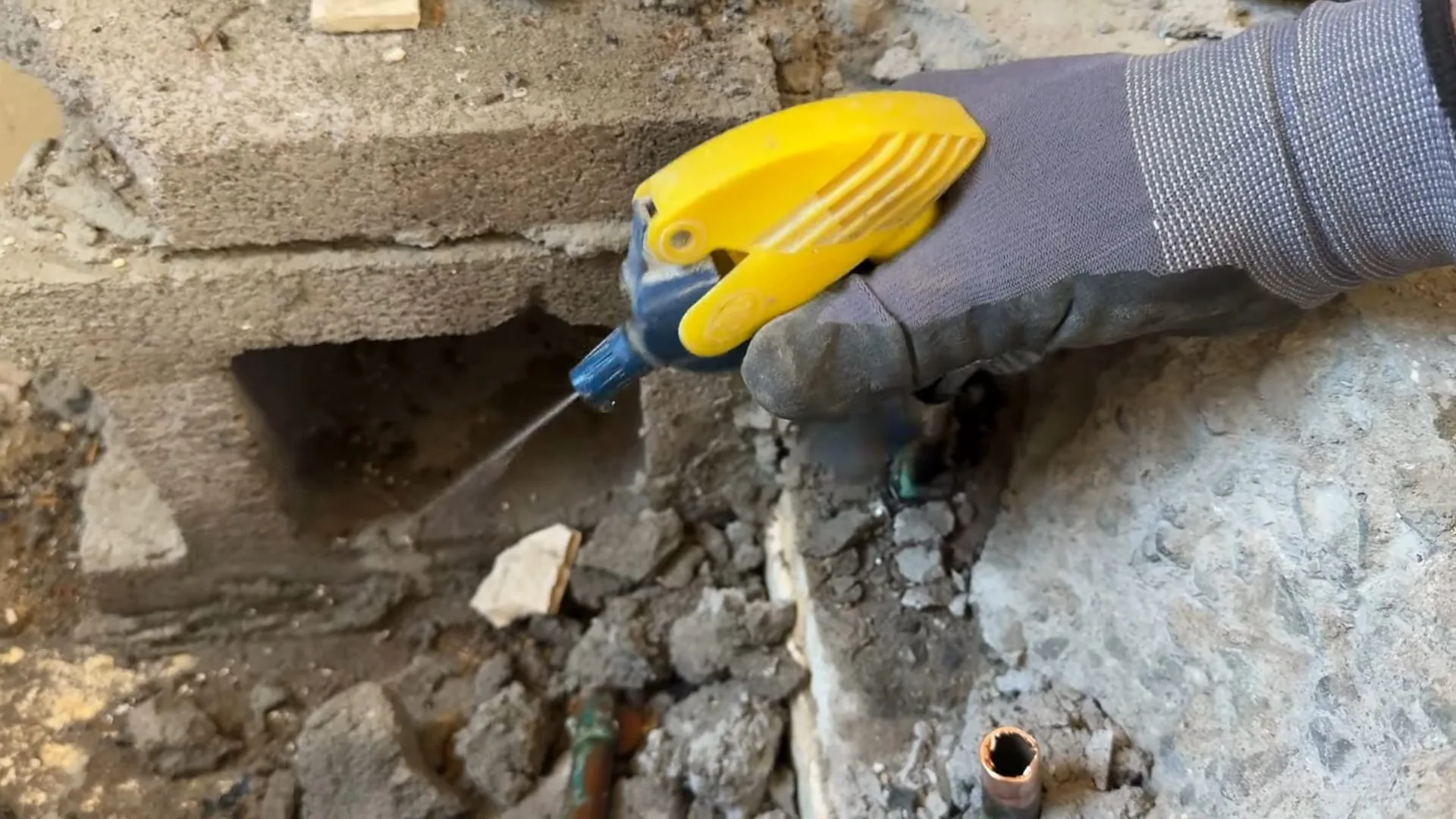
Does your house have a slab at all?
Slab leak detection only applies if the supply lines run in or under a concrete slab. Many homes sit on a raised wood floor over a crawl space instead, where pipes are reachable from below. We have not found a source that says which type is common in Diamond Bar, so we will not guess for your street.
Check your own house. Look for a crawl space vent or access hatch around the foundation, or ask the plumber to confirm the foundation type before quoting. A leak under a raised floor is a different and usually simpler job than one under concrete.
- Concrete floor throughout the ground level, with no crawl space access: a slab is likely.
- A vent grille or hatch at the base of the exterior walls: a raised foundation is likely.
- Mixed construction, such as an addition: ask which parts sit on a slab.
Meter check and other tests before anyone cuts concrete
Slab leaks are hidden, so confirming one is mostly a matter of ruling out everything else. Start with the one test you can do yourself.
Walnut Valley Water District describes a simple meter check. Turn off all fixtures and appliances that use water, note the meter reading, wait 15 minutes, and read it again. The district also describes a leak-indicator dial that spins when water is flowing. If the reading moves with everything off, water is going somewhere.
- A meter that moves with every fixture off.
- A hissing or running sound when the house is quiet.
- A floor that feels warm in one spot, which can mean a hot water line is leaking beneath it.
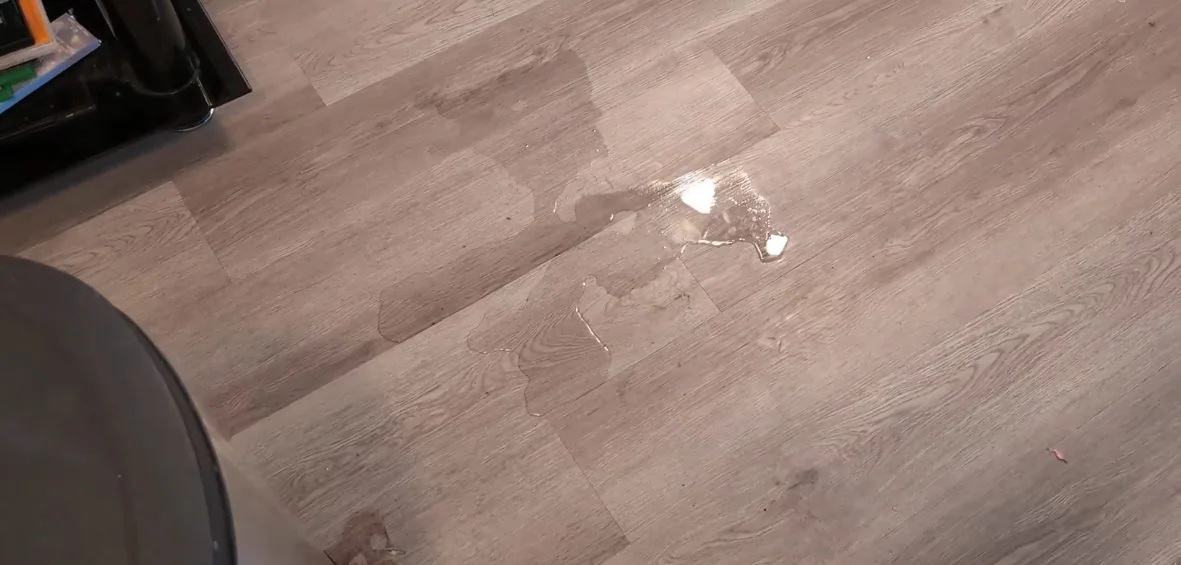
- Damp or lifting flooring, a musty smell, or a patch of wet slab edge outside.
- A higher water bill with no change in how you use water.
None of these proves a slab leak on its own. A running toilet or a leaking irrigation line can produce the same meter movement, so the plumber should rule those out first.
Meter moving with everything off? Call and describe what you see.
Call (833) 571-0120Locating the leak without opening the floor
The point of detection is to avoid breaking concrete in the wrong place. A plumber can pressure-test the lines to see whether they hold, then use listening equipment and other tools to find the spot. Ask which method the plumber uses and how accurately they expect to mark the location.
Ask for the location to be marked on the floor and photographed. That record helps with the permit, with the insurance conversation and with any later repair. Our page on finding hidden leaks without demolition covers the tools in more detail.
Three ways to fix it
Once the leak is located, there are usually three choices, and the right one depends on the pipe and the number of leaks. Ask the plumber to price the options you are offered side by side.
| Option | What it means | Worth asking |
|---|---|---|
| Spot repair | Open the slab at the leak and replace that section | How much floor is opened and who patches it |
| Reroute | Abandon the slab line and run new pipe through walls or attic | Where the new line runs and what it disturbs |
| Repipe | Replace the supply lines throughout the house | Whether other lines show signs of failing |
One leak in an otherwise sound line often points to a spot repair or a reroute. Several leaks, or a line that has leaked before, points toward replacing the supply lines. Ask the plumber why they recommend the option they do.
Permits and the paperwork
The City of Diamond Bar says plumbing permits are required for all plumbing work, including water service and related piping. A reroute or repipe is clearly plumbing work, and a spot repair may be as well, so ask. Building and Safety is at (909) 839-7020.
If the leak has wet your flooring or walls, keep photographs and receipts, and see our burst pipe claim steps for the documentation order the California Department of Insurance recommends. Your policy decides what is covered, and we cannot read it for you.
Post-tension slabs: what to ask before anyone cuts the floor
If a plumber raises soil or post-tension cables as a risk, ask how that applies to your house and what they are looking at.
Cable-reinforced slabs in particular need care before anyone cuts or drills, so ask the plumber how they would check before opening the floor.
Slab leak questions, answered plainly
How can I tell if I have a slab leak?
Turn off all water, read the meter, wait 15 minutes and read it again, as Walnut Valley Water District describes. If the reading moves, water is leaking somewhere. A warm floor spot, a hissing sound or damp flooring points toward a slab, but a running toilet or irrigation leak can look the same.
Do all Diamond Bar homes sit on a slab?
We did not find a source that says, so we do not assume it. Many homes are on a raised floor over a crawl space instead. Look for a crawl space vent or hatch at the foundation, or ask the plumber to confirm the foundation type before quoting.
What are my options once the leak is located?
Usually a spot repair, a reroute of the supply line through walls or the attic, or a repipe of the house. One leak in a sound line often suits a spot repair or reroute. Repeated leaks point toward repiping. Ask the plumber to price the options side by side.
If the leak turns out to be elsewhere
Leak Detection
Locating hidden leaks of every kind.
Repiping
Replacing supply lines throughout the house.
Water Damage Restoration
Drying floors and walls after a leak.
A leak you cannot see
Tell us what the meter and the floor are doing. A plumber will explain how a slab leak is confirmed and what the repair options look like.