
Drain cleaning · Diamond Bar, CA
Drain Cleaning in Diamond Bar, CA: Is It One Clog or a Bigger Problem?
A tub that gurgles when the washer drains, a kitchen sink that backs up into the other side, or a floor drain that smells: each one points to a different spot in the pipe. This page helps you work out where the problem sits and what to ask before you book drain cleaning in Diamond Bar.
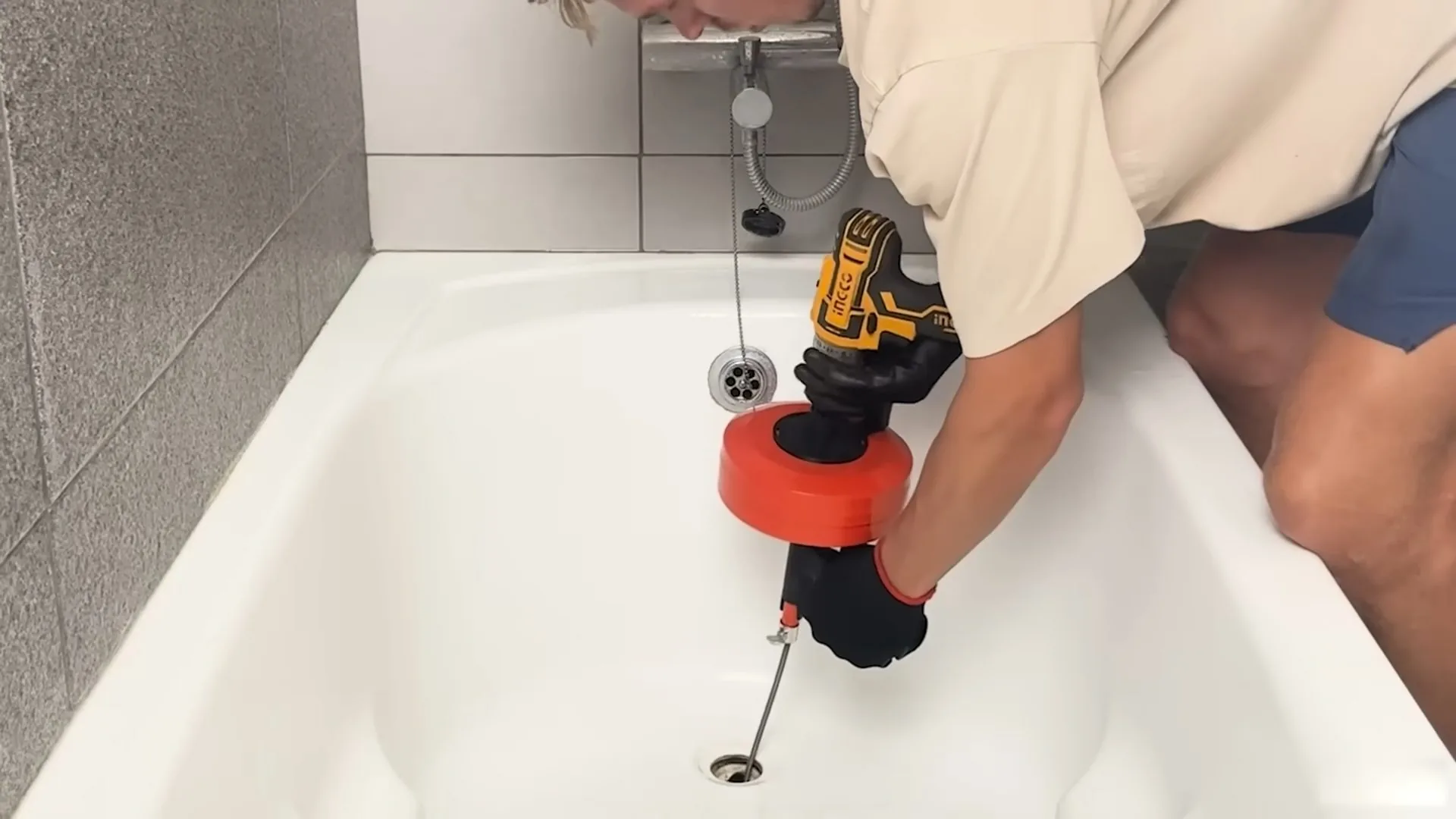
Slow in one spot, or slow everywhere? Start here
The first question a plumber asks is how many drains are affected. The answer narrows the problem faster than anything else you can check.
- One fixture slow, the rest fine: the clog is almost always in that fixture's own trap or branch line.
- Two or three fixtures slow together: the blockage is probably in a shared branch, where several drains meet.
- Every fixture slow, or water rising in the lowest tub or shower: the blockage is likely in the main drain or the pipe that leaves the house.
- Gurgling in one fixture when another one drains: air is being pushed back through the line, which also points to a shared or main blockage.
Write down which fixtures behave which way before you call. That short list lets the plumber arrive with the right equipment instead of guessing at the door.
What you can safely try before calling
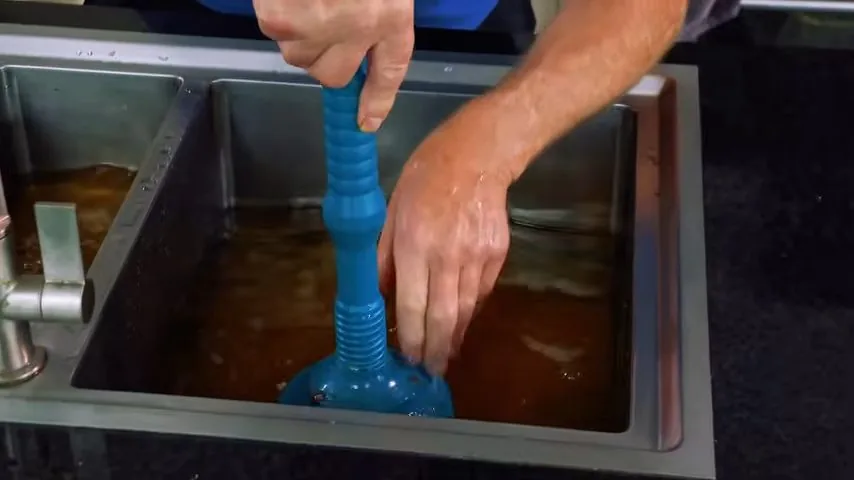
Two checks are safe for most households. Use a plunger on a single clogged sink, tub or toilet, and pull out any pop-up stopper to remove the hair and soap collected under it.
If neither one helps, stop. A line that is blocked further down will not clear from the fixture side, and repeated attempts push the clog deeper. If the problem involves more than one fixture, skip the plunger and call.
A jammed disposal belongs to a different repair than a blocked drain, and our garbage disposal repair page covers it.
Whose pipe is it? The line to the street
When the blockage is outside your walls, ownership decides who pays and who fixes it. Los Angeles County Public Works says the sewer lateral is owned by the private property owner it serves. That is the pipe from the house to the public main.
A blockage in the public main belongs to the sewer agency instead. From the inside of a house, the two look the same: every drain slows, and the lowest fixture backs up first.
Only a camera shows which one you have. Ask the plumber to record the inspection and show you where the blockage sits, measured from the cleanout. If it lies on your side, clearing it is your job. If it sits in the public main, the plumber can tell you so, and you can report it to the sewer agency.
Several drains slow at once? Call and describe which ones.
Call (833) 571-0120Snake it now, or put a camera down first?
Clearing a drain with a motorized cable is the right first move for a single stubborn clog. It is quick, and it answers the question in front of you.
A camera inspection is worth adding in three situations: the same drain has clogged before, more than one fixture is involved, or the cable keeps coming back with roots or scale on it. The picture shows pipe condition, a sag that holds water, or a joint that has separated. Those findings change the plan from cleaning to repair.
- Cable the line to restore flow.
- Run the camera to see what caused the blockage.
- Decide on a repair if the pipe itself is damaged, or on scouring grease from pipe walls if the pipe is sound but coated.
- Ask for the camera footage so you can compare it if the drain slows again.
If the footage shows a cracked, offset or collapsed pipe, cleaning will not hold, and the conversation moves to repairing the sewer lateral.
Yard drains, slope drains and French drains
Not every drain sits inside the house. Diamond Bar has hillside lots, and the city's slope guidance makes owners responsible for drainage on their own property. Its list of warning signs includes broken irrigation lines above or on a slope and water seeping out of a slope.
A clogged yard drain, a French drain choked with silt or a storm drain full of leaves sends water where it should not go. Clearing the line is plumbing work. Judging whether a slope is moving is not, and for that the city points owners to a licensed civil, structural or geotechnical engineer.
When you call about an outdoor drain, say whether water is pooling, running toward the house or coming out of the hillside. Those details tell the plumber whether to bring a cable, a camera or a leak locator.
Grease lines in shops and restaurants
Commercial kitchens clog differently. Fats and food solids build up along the pipe wall, and a drain can stay open for weeks while the passage narrows. If you run a shop or a food business in Diamond Bar, mention the kitchen and the last time the line was cleared when you call. A recurring grease problem is usually a job for scheduled cleaning rather than one-off clearing.
Permits and what to ask
The City of Diamond Bar says plumbing permits are required for plumbing work including drains. Clearing a clog is maintenance, but replacing a section of drain pipe is not, so ask the plumber before the work starts whether a permit applies. The Building and Safety Division can answer at (909) 839-7020.
What to tell the plumber about slow fixtures and timing
Say which fixtures are slow, when it started, and whether anything unusual went down the drain. If the problem is in the yard or at the street, mention it, since that changes the tools the plumber brings.
Common drain questions, answered
How do I know whether my drain problem is one clog or the main line?
Count the fixtures that are affected. One slow fixture usually means a clog in its own trap or branch. Several fixtures slowing together, or water rising in the lowest tub or shower, points to a shared branch or the main drain. A camera inspection confirms where the blockage sits.
Who is responsible when the blockage is outside my house?
Los Angeles County Public Works says the sewer lateral, the pipe from your home to the public main, is owned by the property owner it serves. A blockage in the public main is the sewer agency's responsibility. A camera inspection shows which side of that line the blockage is on.
Should I ask for a camera inspection when a drain is cleared?
It is worth asking when the same drain has clogged before, when more than one fixture is involved, or when the cable keeps coming back with roots or scale. The camera shows pipe condition and often changes the plan from cleaning to repair. Ask for the footage so you can compare it later.
Other drain and sewer help
Hydro Jetting
High-pressure scouring for grease, scale and roots.
Sewer Line Repair
Repair or replacement when the camera shows damage.
Leak Detection
Finding water that is escaping out of sight.
A drain that will not clear
Tell us which fixtures are slow and what the water is doing. A plumber will tell you what the pattern suggests and what it takes to clear it.