
Leak detection · Diamond Bar, CA
Leak Detection in Diamond Bar, CA: Find Out Where the Water Is Going
A high bill, a stain that keeps spreading or a meter that will not sit still all say there is a leak, but not where. Finding it comes down to a few questions asked in a fixed order. This page walks through those, starting with the one test you can do yourself.
Start at the meter
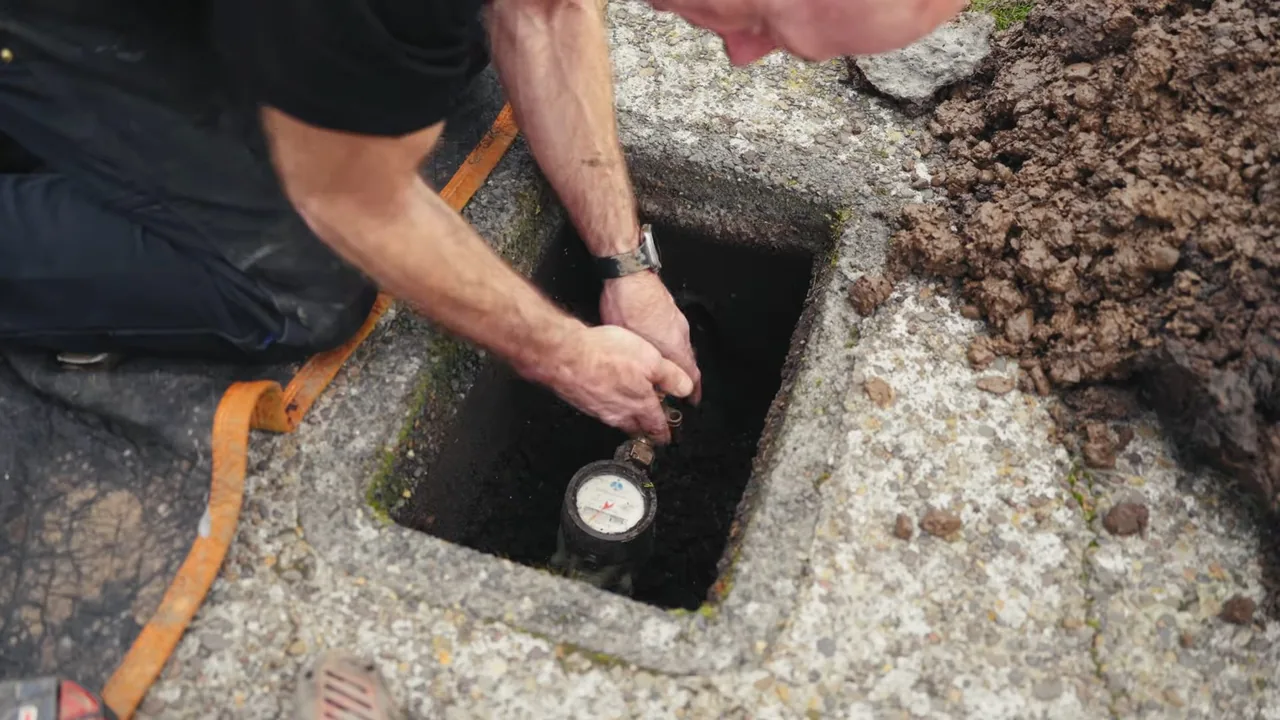
Walnut Valley Water District describes a meter test anyone can do. Turn off every fixture and appliance that uses water, read the meter, wait 15 minutes without using water, and read it again. If the number changed, water is leaking somewhere.
The district also describes a blue leak-indicator dial on the meter that turns when water is flowing. One CCF, the unit on the meter, is 748 gallons, which helps when comparing the reading with a bill.
- Stop all water use in the house, including the ice maker and any irrigation timer you can pause.
- Write down the meter reading or the position of the indicator dial.
- Wait 15 minutes, then check again.
- If it moved, close the home shutoff valve and check the meter once more.
The last step matters. If the meter stops after the home valve is closed, the leak is on the house side. If it keeps moving, the leak is between the meter and the valve.
Whose side of the meter?
The district says its responsibility ends at the meter. Everything from the meter to the house, and everything inside it, is yours to repair. That includes the service line running through the yard, which is where a leak can go unseen for months.
Signs of a yard leak include a patch of lawn that stays green or soggy, a wet spot along the line from the meter to the house, or the sound of running water outside. Tell the plumber where the meter is and where the line enters the house, so they can start from the right place.
Meter moving with everything off? Call and tell us what you found.
Call (833) 571-0120A wet ceiling or wall: three possible sources
A stain on a ceiling or wall can come from a supply line, a drain or the roof, and the repair differs for each. A supply line leaks continuously and shows up on the meter. A drain leaks when a fixture upstairs is used. A roof leak shows up when it rains and is a roofer's job.
Tell the plumber when the stain grows. After rain only, it is likely roof. After a shower or the washing machine, it is likely drain. All the time, it is likely supply. The plumber may need to open a small section to confirm.
Once a source is found and stopped, wet material still needs attention. See drying wet drywall for what that involves.
Slopes, irrigation and the yard
Many Diamond Bar lots sit on hillsides, where water in the ground matters more than on flat land. The City of Diamond Bar's slope guidance covers broken irrigation lines and seepage, and advises getting an engineer's opinion if you see signs of slope movement.
A leaking irrigation line can look like a plumbing leak on the meter. Shut off the irrigation system and repeat the meter test. If the meter stops, the leak is in the irrigation. If it keeps moving, the leak is somewhere else.
Gas leaks, pools and roofs: who to call instead
If you smell gas, leave the house and call SoCalGas at (800) 427-2200 from outside. Do not wait for a plumber to diagnose it. Water leak detection tools do not find gas leaks, and we do not offer that diagnosis here.
We also do not repair pool and spa structures, or roofs and gutters. A pool that loses water is a pool contractor's question. A leak that appears only in rain belongs with a roofer. Telling the plumber what you have ruled out saves a visit.
How hidden leaks are found
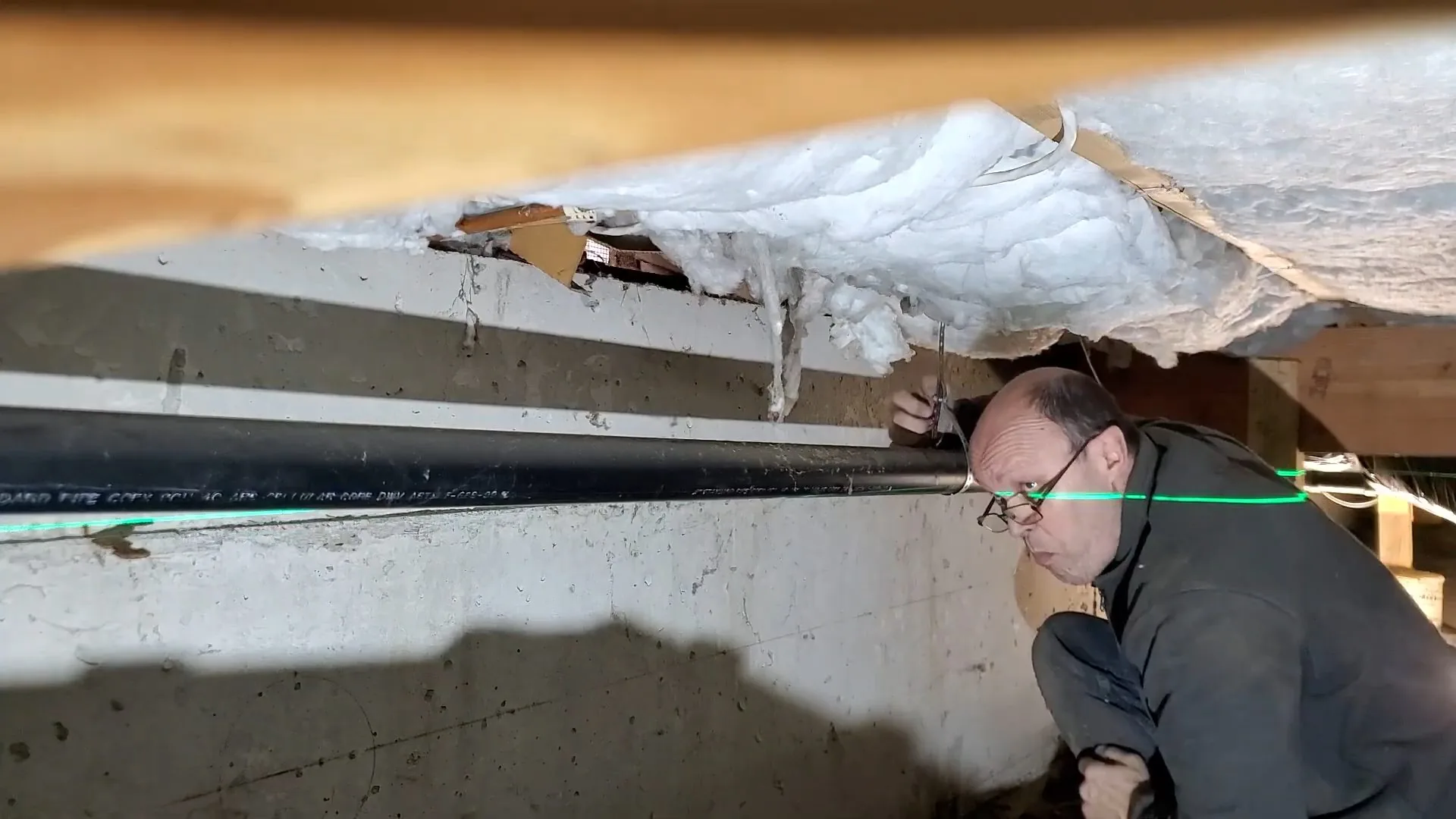
Once the meter says there is a leak, the plumber narrows it down. Common methods are listening equipment that picks up the sound of escaping water, thermal imaging that shows temperature differences, moisture meters, and pressure testing to see which line is losing pressure.
Ask which of these the plumber will use and why. Ask what they will do if the first method finds nothing. Ask for the location of the leak to be marked and photographed before anything is opened, and for a written finding you can show an insurer.
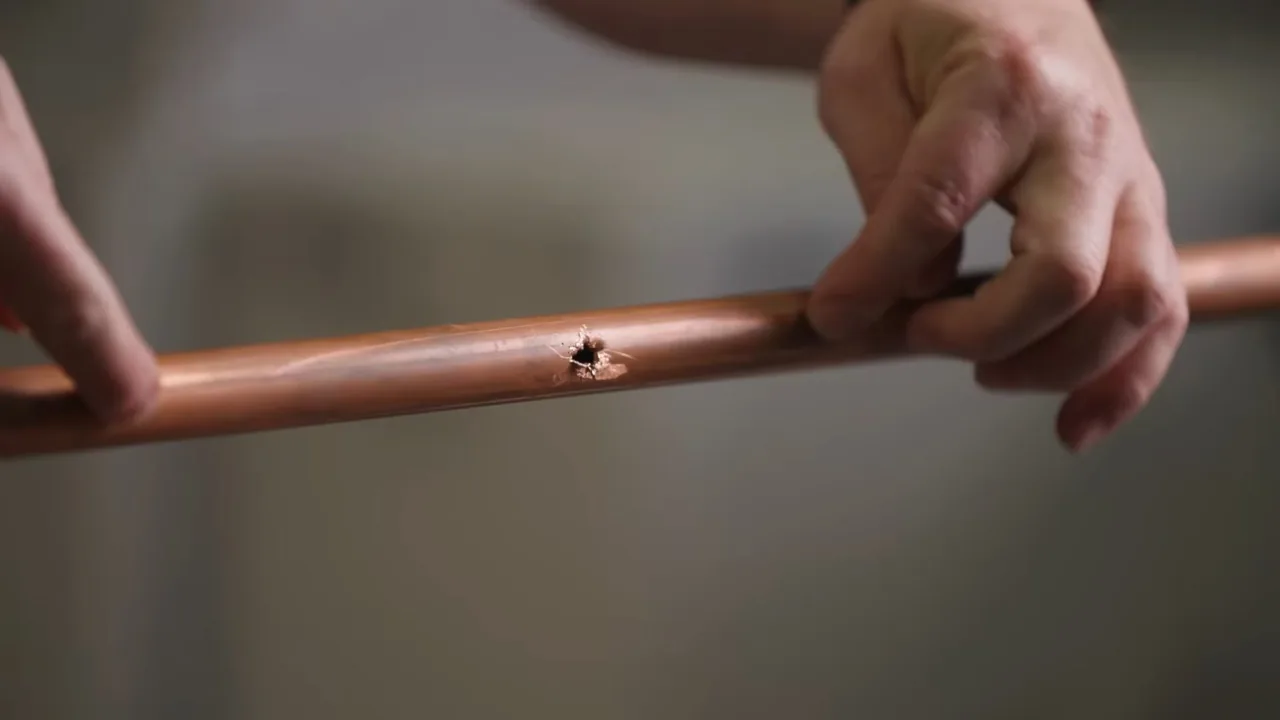
For a leak under a concrete floor, see slab leak detection. For a pinhole in a copper line, a repair may be a short section, but repeated pinholes point to the pipe itself, and replacing worn supply pipe is the question to raise.
Leak detection in shops and multi-unit buildings
A shop or multi-unit building has more lines, more meters and often a landlord. The method is the same, shut everything off and watch the meter, but the building may have several meters and a master shutoff. Tell the plumber the building type and who manages it when you call.
Finding a leak: common questions
How do I check for a leak myself?
Walnut Valley Water District describes a meter test. Turn off every fixture and appliance, read the meter, wait 15 minutes without using water, and read it again. If the number changed, there is a leak. If it stops moving after you close the home shutoff valve, the leak is on the house side.
Who is responsible for a leak between the meter and my house?
The district says its responsibility ends at the meter. The line from the meter to the house and everything inside is the owner's to repair. A yard leak often shows as soggy lawn or a wet strip along the service line, and a plumber can trace it.
Can you find a gas leak or fix a pool leak?
No. A gas smell means leave the house and call SoCalGas at (800) 427-2200 from outside. Pool and spa structures belong with a pool contractor, and leaks that appear only in rain belong with a roofer. Telling the plumber what you have ruled out saves a visit.
When the leak is found
Slab Leak Repair
Fixing a supply leak under concrete.
Burst Pipe Repair
Stopping the water and documenting the loss.
Repiping
Replacing pipe that keeps leaking.
A leak you cannot find
Tell us what the meter did and where the water shows. A plumber will go through the checks and explain how the leak will be located.