
Hydro jetting · Diamond Bar, CA
Hydro Jetting in Diamond Bar, CA: When a Snake Is Not Enough
If the same drain has been cleared three times this year, the cable is opening a hole in the clog without removing it. This page explains what jetting does differently, when it is the right call, and when it is the wrong one.
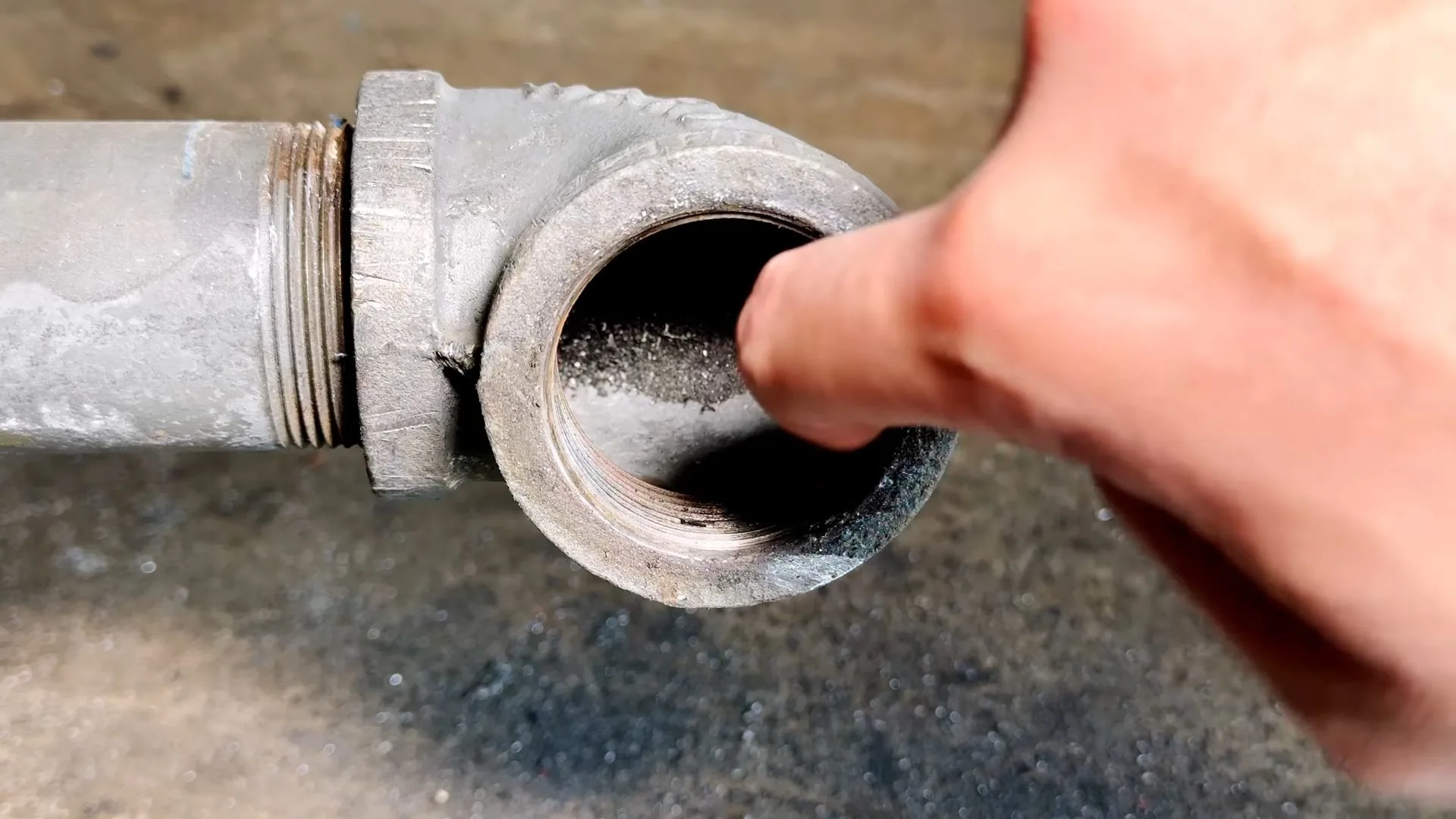
A cable clears the clog; a jet cleans the pipe
A motorized cable bores through whatever blocks the pipe. It restores flow quickly, but it leaves the coating on the pipe wall behind. Grease, soap scum, mineral scale and fine roots keep narrowing the passage, and the drain slows down again.
Hydro jetting sends high-pressure water through a nozzle that sprays backward and forward inside the pipe. The water scours the wall, so the pipe is clean along its length and not just open at the clog.
- Jetting suits recurring slow drains, grease buildup and mineral scale.
- It reaches roots that a cable cuts but does not remove.
- It can clear the length of a main drain or a lateral from one access point.
Cable first, jet first, or camera first?
A first-time clog in one fixture rarely calls for jetting. A cable is faster and does the job. If the same line has clogged repeatedly, or a camera shows buildup on the pipe wall, jetting is the better next step.
The camera comes before the jet. High-pressure water belongs in a pipe that is structurally sound. If the footage shows a crack, a joint that has pulled apart, a belly that holds water or a collapse, jetting is not the fix, and the pipe needs repair instead. Ask the plumber to show you the footage before agreeing to either one.
Same drain clogging again? Describe the pattern and ask whether jetting fits.
Call (833) 571-0120Grease lines, scale and roots: what jetting is good at
Grease is the common culprit in kitchen lines, and it builds in layers. Each wash sends warm fat down the pipe, and it cools and sticks to the wall. A line that looks open at the cleanout can be half its original width a few feet further on.
Mineral scale is a slower problem, and local water is a reason to ask about it. Walnut Valley Water District's 2025 report puts the average hardness of its two main supplies at 234 mg/L and 97 mg/L, and it does not say which blend reaches which street. Over years, scale can narrow older pipe, and a camera shows whether yours has any.
Roots are a problem for the line that leaves the house. A cable chops roots and leaves the stubs, which regrow. A jet removes more of them, though a pipe with a gap in it will keep inviting roots until the gap is repaired.
Whose line are we cleaning?
Los Angeles County Public Works says a sewer lateral, the pipe from a home to the public main, is owned by the private property owner it serves. Jetting the lateral is therefore the owner's decision and the owner's expense.
If the camera shows the blockage past your property line, in the public main, tell the plumber, and report it to the sewer agency rather than paying to clear it. The City of Diamond Bar's sewer plan page says the city works to control sewer overflows, but it does not say who owns individual laterals, so rely on the County's statement.
- Locate your cleanout, the capped pipe usually near the house or at the property edge, before the plumber arrives.
- Ask for a camera view before and after the jet.
- Ask whether any part of the line looks damaged, and get that in writing.
- Ask how often the line should be re-checked if roots or grease are the cause.
When jetting is the wrong answer
Jetting does not fix a broken pipe. A line that has collapsed, sagged or separated will clog again no matter how clean it is. In that case the plan moves to repairing a damaged sewer line, or to a lining method such as lining a damaged pipe where the pipe qualifies.
For one stubborn sink or tub, ordinary drain cleaning is the right first call. The two services overlap, and a plumber should be willing to tell you honestly which one your drain needs.
Clearing drains is maintenance. Replacing pipe is permitted work under the City of Diamond Bar's plumbing permit rules, so ask before any repair whether a permit applies. Building and Safety can be reached at (909) 839-7020.
What a jetting visit looks like
The visit follows a predictable order, and knowing it helps you check that nothing is skipped. Expect some noise at the cleanout and some water at the access point, so clear the area around it first.
- The plumber confirms the access point and runs a camera to see the pipe before any pressure goes in.
- The jet nozzle is fed into the line and worked along its length, usually in more than one pass.
- The camera goes back in to check the pipe wall and the flow.
- You get a plain account of what came out and whether the pipe showed any damage.
If the second camera run shows buildup that remains, or damage that was hidden behind it, ask for that to be stated on the invoice. A clean pipe today is useful information for the next plumber who works on the line.
Before you agree to a jet: three questions
What is the difference between snaking and hydro jetting?
A cable bores through a clog and restores flow, but it leaves the coating on the pipe wall. Hydro jetting uses high-pressure water to scour the wall along the length of the pipe. A first-time clog in one fixture usually needs a cable. A drain that clogs again and again may need a jet.
Can hydro jetting damage an old pipe?
High-pressure water belongs in a pipe that is structurally sound. That is why a camera inspection comes first. If the footage shows a crack, a joint that has pulled apart or a collapse, jetting is not the fix and the pipe needs repair. Ask to see the footage before agreeing to a jet.
How do I find my cleanout before the plumber arrives?
A cleanout is a capped pipe that gives access to the drain line, usually near the house or at the edge of the property. Look for a short capped pipe at ground level. If you cannot find one, tell the plumber when you call so they can plan the access.
Related drain and sewer services
Drain Cleaning
Cable clearing for a single stubborn clog.
Sewer Line Repair
When the camera shows damage.
Trenchless Sewer Repair
Lining a pipe without a trench.
A drain that keeps slowing down
Tell us how often it clogs and which fixtures are affected. A plumber can tell you whether a camera and a jet make sense.